
Have you ever discussed a particular product with someone, only to see an advertisement for it appear on your smartphone shortly afterward? Or searched for a destination once and suddenly started receiving recommendations related to that location? Experiences like these have made many people wonder whether their smartphones are secretly listening to their conversations. Although the idea of a phone constantly recording everything you say can sound alarming, the reality of digital tracking is more complicated. Smartphones collect different types of information through applications, location services, browsing activity, and advertising technologies. Much of this happens through permissions and data-sharing practices that users may not fully understand. Knowing what your smartphone can access is essential to protecting your personal information and maintaining greater control over your digital privacy.
Your Smartphone Collects More Information Than You Realize
 Modern smartphones are designed to collect information that helps applications and services function. This may include your location, device information, browsing activity, app usage, and search history. Some information is necessary for basic services, while other data helps companies personalize recommendations and advertising. Although this collection does not automatically mean someone is spying on you, it raises important questions about how much personal information you are comfortable sharing and who has access to it.
Are Your Apps Listening Through Your Microphone?
Microphone access is one of the biggest concerns surrounding smartphone privacy. Applications that provide voice messages, video calls, voice searches, and recording features may legitimately require microphone permissions. However, not every application needs this access. There is no good reason for a simple calculator or wallpaper application to use your microphone. On modern smartphones, operating systems generally display indicators when the microphone is active. Reviewing app permissions and removing unnecessary microphone access can help reduce unwanted exposure.
Location Tracking Reveals More About Your Life
Your smartphone’s location services can reveal information about your daily routines, frequently visited places, and travel patterns. Navigation, weather, delivery, and transportation applications may need location access to provide useful services. However, allowing every application to access your location all the time is rarely necessary. Many smartphones offer options such as allowing location access only while an application is being used. Reviewing these settings can help you enjoy useful location-based services without sharing more information than necessary.
Social Media Platforms Know More About Your Online Behavior
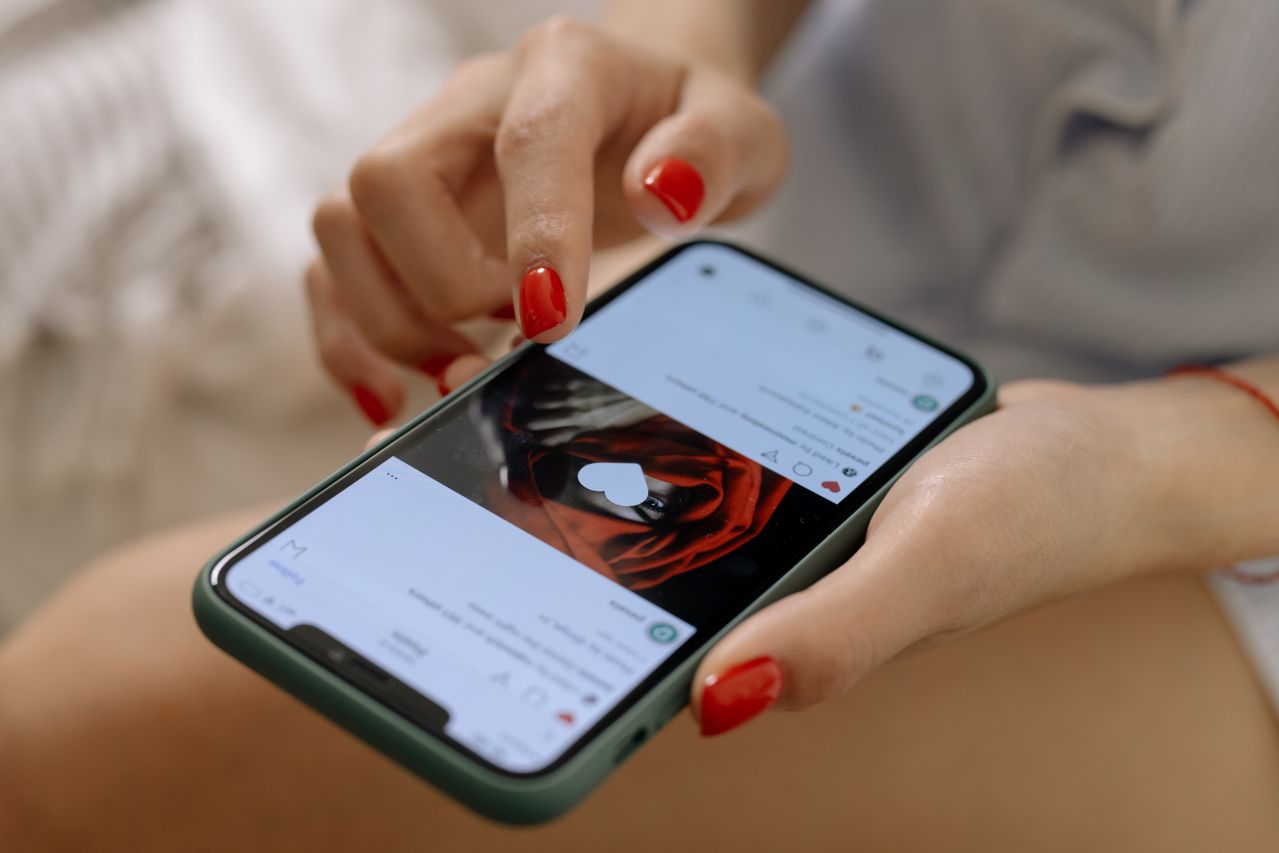
Social media applications collect information about how users interact with content. The posts you like, videos you watch, accounts you follow, and advertisements you click can all help platforms build a profile of your interests. This information is often used to personalize feeds and recommend content. Consequently, advertisements may sometimes feel surprisingly relevant without your microphone necessarily being involved. Understanding how behavioral tracking works helps explain why your online experiences can feel so personalized.
Your Search History Can Influence the Advertisements You See
Search engines, websites, and advertising networks may use browsing activity and tracking technologies to deliver personalized advertisements. For example, searching for a particular smartphone model could influence the advertisements displayed on other websites. Cookies and similar technologies can help identify browsing patterns, although their capabilities and limitations vary. Regularly reviewing browser privacy settings, clearing unnecessary browsing data, and managing advertising preferences can help reduce certain forms of tracking.
How to Protect Your Smartphone Privacy
 Protecting your smartphone does not require advanced technical knowledge. Start by reviewing the permissions granted to installed applications and disabling access that is not essential. Keep your operating system and applications updated, use strong passwords, and enable two-factor authentication where available. Download applications from trusted sources and be cautious when opening unfamiliar links. It is also worth reviewing your account privacy settings regularly, particularly those related to location history, advertising personalization, and data sharing.
Convenience Should Not Come at the Expense of Privacy
Smartphones have become essential tools for communication, entertainment, shopping, banking, and everyday organization. However, the convenience they provide often involves sharing personal information. The challenge is balancing the benefits of useful digital services with the need to protect sensitive data. Before accepting permissions or creating accounts, consider whether the requested information is genuinely necessary. Making informed decisions about privacy allows you to benefit from technology without automatically surrendering control over your personal information.
So, is your smartphone spying on you? Not necessarily in the way many people imagine, but it may be collecting considerably more information than you realize. Through application permissions, location services, browsing activity, and advertising technologies, smartphones can give companies detailed insights into users’ digital behavior. The good news is that you have some control over what information you share.